The Most Important Member of Your Care Team Is You!
Instead of my usual column, I’m pleased to share the story of one of my patients, who describes her experience combining conventional cancer treatment with evidence-informed complementary approaches. Her story is not intended to recommend a particular path, but rather to encourage thoughtful conversations, informed decisions, and active participation in one’s own care.
 Cancer changes you long before treatment ever begins.
The moment I heard the words, “You have breast cancer,” my life divided into three chapters: before, during, and after. Like so many women, I entered a world of appointments, scans, specialists, pathology reports, and decisions I never imagined I would have to make.
My cancer was estrogen receptor-positive, a type I was told was “common.” I understand the intention behind trying to find a brighter side in those words, but from the very beginning, there was nothing that felt common about it. This was my life, my future, and there was nothing ordinary about facing cancer.
When the diagnosis came, something unexpected took over me. It wasn’t fear so much as an unbridled determination. I became frustrated and angry with cancer: angry that millions of women continue to hear those same words every day and angry that we live in a world where we can carry computers in our pockets and instantly connect with someone on the other side of the globe, yet breast cancer continues to affect millions of women and their families.
I couldn’t change that reality, but I could decide how I was going to face it. So I got to work.
Between diagnosis and treatment is a period of waiting—a space filled with uncertainty. I wasn’t willing to spend that time simply waiting. Since there wasn’t a classroom where I could learn how to navigate breast cancer, I created my own. Every book, physician, survivor, podcast, test result, and conversation became another lesson. I read. I researched. I listened. Much of it didn’t make sense at first, but I trusted that eventually the pieces would come together.
The first people I reached out to were the women in my life who had already walked this road. Nothing prepares you like another woman’s story. I borrowed their questions, listened to their experiences, learned what they wished they had known, and began building my own list of questions. I spent countless hours on the phone and online gathering information, searching for understanding, and preparing myself for what lay ahead.
As my experience unfolded, I realized I was the only constant in my care. I was the common thread connecting every appointment, every test result, every recommendation, and every decision. While each physician and specialist brought valuable expertise, I was the only person present for every conversation, carrying the complete picture from one provider to the next.
That realization changed everything. I stopped thinking of myself as a patient receiving care and began thinking of myself as an active partner in it. I learned to ask questions, challenge assumptions, explore every option, seek multiple perspectives, and make informed decisions. From that point on, every decision became intentional.
One of the first additional resources I pursued was the Research Genetic Cancer Center test through Dr. Rick Jensen. I wanted a clearer understanding of my cancer and whether conventional treatment was the right course for me or whether other options should be considered.
The information the test provided answered many of my questions and opened the door to a different way of thinking about how I could support my body during treatment. Rick Jensen recommended a supportive supplement program, which led me to Koby Taylor at Fusion Specialty Pharmacy. Koby helped me understand that prescription and over-the-counter medications can deplete the body of important vitamins and minerals. That insight reinforced something I was beginning to understand: caring for myself during treatment meant more than focusing on the cancer itself. It also meant supporting the body that was carrying me through treatment and would continue to sustain me long after it ended.
Upon reviewing the results, asking more questions, and weighing everything I had learned, I chose to move forward with conventional treatment. That decision wasn’t made blindly. I felt I had taken the time to gather the information I needed to make an informed choice.
I also consulted physicians researching newer approaches to breast cancer treatment, including Dr. Dennis Holmes in Los Angeles, whose work with cryoablation interested me. Although I wasn’t a candidate for the procedure, I was grateful to have connected with him and his caring team, who answered my questions and took the time to talk with me.
My research gradually shifted from finding the right treatment to preparing my body for the battle ahead. I began focusing on the things I could control—nutrition, movement, mindset, and supporting my body as though I were preparing for the greatest endurance event of my life.
My endocrinologist at University of California San Francisco (UCSF) reminded me that chemotherapy can significantly affect the gut, which in turn can interfere with the absorption of my thyroid medication. That conversation reinforced my conviction that caring for my overall health was just as important as treating the cancer itself.
As I searched for information, I intentionally looked beyond the traditional medical model to better understand every option available to me. Resources such as Chris Wark’s Chris Beat Cancer, The Breast Cancer Conqueror by Dr. Veronique Desaulniers, and the Gerson Therapy approach emphasize nutrition and lifestyle as primary tools for healing, often in place of conventional treatment. While I ultimately chose to follow a conventional treatment plan, these resources helped shape the nutritional and lifestyle protocols I adopted alongside my medical care. Rather than viewing them as competing approaches, I used them together to support my body throughout treatment and recovery.
Together, they reinforced something I had always believed: healing isn’t only about treating disease; it’s also about creating the healthiest environment possible for your body to recover. During treatment, I became even more intentional about nourishing my body with real, nutrient-dense foods. It wasn’t simply about eating healthier. It was one of the most meaningful ways I could help my body build resilience and endure treatment.
I realized that if I wanted the kind of care I was looking for, I was going to have to build my own team. That team extended well beyond my oncology clinic. Some of the people on it never knew one another, but each contributed something important to my care. I became the common thread, bringing their knowledge and recommendations together as I made decisions for myself. Koby Taylor and Travis Snow at Fusion Specialty Pharmacy became an important part of that team. They helped manage treatment-related side effects with a customized pain cream, reviewed my hormone testing with me, and continue to support my health today.
As I continued building my team and gathering information, I also learned that sometimes self-advocacy means asking for something you are told you don’t need. I advocated for genetic testing after my initial request was denied. When the test was finally approved, it revealed that I carry a CHEK2 gene mutation inherited through my father’s side of the family. That information gave me a deeper understanding of my cancer and, just as importantly, provided invaluable knowledge for my family.
I reached out to cancer centers around the country, asking about their treatment philosophies, support programs, survivorship care, and follow-up protocols. I wanted every decision I made to be informed by as much knowledge as I could gather because I believe every perspective has something to teach us.
Throughout this experience, I met physicians who genuinely cared and patiently worked through my endless questions. My oncologist, Dr. Haslem, treated me with kindness and compassion and continues to do so. Dr. Grant in Radiation Oncology took the time to answer my questions and made me feel seen—not just scheduled. Nisha Anderson, NP, and Dr. Klomp were also invaluable, offering thoughtful guidance and unwavering support.
If my experience offers one lesson to someone facing a diagnosis, it’s this: Don’t be afraid to ask questions. Seek second opinions. Learn everything you can. Support your body with the best nutrition you can give it.
Your physicians bring expertise. Your loved ones bring support. But you are the one constant throughout your care. No one has a greater stake in your health than you do. You are the most important member of your care team.
RELATED ARTICLES

Magnesium to the Rescue; Part 1
Common Signs and Symptoms of a Magnesium Deficiency By Koby Taylor, PharmD In recent years and...

Turn Your New Year’s Resolutions into Finding Solutions!
By Koby Taylor, PharmD The New Year is here, and with the holiday season in the rear view mirror,...
RELATED PRODUCTS
Click any product below for details and to visit our online store.
-

Fusion Immune Kids
$38.84 -

St. George Nano Silver (Ag+) Particle Solution (4 fl oz)
$13.98 -

Stress B-Complex
$20.98 -

Triple Action Pro
Price range: $26.98 through $67.98 -

GABA Calm
$39.98 -

Bio-Zyme
$40.98 -

5-HTP 100mg
$23.98 -

L-Glutamine
$26.98 -

L-Tryptophan 500mg
$52.98 -

Omega Max
$54.98 -
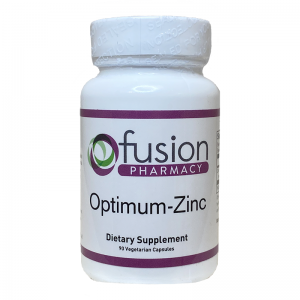
Optimum-Zinc
$14.98 -

Viracid
Login to Order -

Vitamin D3 5,000 IU
$24.98 -

MegaSporeBiotic™ 60ct
$63.00 -

Crave Control
$59.98 -

Digestive Enzymes with Betaine 90ct
$35.98 -

ArtemiC Rescue
$110.00 -

ZymeBoost+ 180ct
$70.00 -

Vitamin C 500mg with Rose Hips
$16.98 -

Melatonin 3mg with Vitamin B-6
$10.98

