
When Spring Turns Hostile: From Debilitating Allergies to Lasting Relief
For most people, spring is a season of renewal, fresh air, blooming trees, and long-awaited time outdoors. For Aaron Reyonds, however, spring became something else entirely: a relentless, body-wide assault triggered by even the smallest trace of pollen.
What makes Aaron’s story especially striking is that he wasn’t always this way. Growing up in Salt Lake City, he watched his siblings struggle with hay fever while he remained completely unaffected. Through childhood and even into his teenage years, allergies simply weren’t part of his life.
That changed suddenly in early adulthood. While serving a mission in Germany, Aaron experienced his first allergic reaction after eating poppy seed cake, a common dessert there. His throat swelled, and the reaction was severe enough to be alarming. At the time, he brushed it off as a fluke. But when the exact same reaction happened again months later, it hinted that something in his immune system had shifted.
Still, nothing could have prepared him for what came next. At around age twenty-one, shortly after returning home, Aaron experienced his first full-blown seasonal allergy attack. What began as what he thought was a sinus infection quickly escalated into something far more intense. He was sneezing constantly, congested for weeks, and dealing with what would become his most unbearable symptom: severely itchy eyes.
“It was relentless,” he recalls. “The kind of itching where you feel like you could scratch your eyes out.” From that point forward, allergies became a permanent and escalating part of his life.
Over the years, Aaron tried nearly every conventional treatment available. Over-the-counter antihistamines like Zyrtec and Allegra became daily staples. He cycled through nasal steroid sprays and a wide range of eye drops. While some treatments dulled certain symptoms, nothing fully controlled the reactions, especially the intense eye irritation.
Then came a major move that would make everything worse. After relocating to St. George, Utah, Aaron found himself in what felt like an environmental minefield. The region’s unique combination of desert plants, wind, and extended pollen seasons triggered reactions unlike anything he had experienced before. Mulberry trees, in particular, proved devastating. “They’re everywhere,” he says. “And I’m extremely allergic to them.”
Even routine activities became high-risk. Visiting his parents’ home, surrounded by mulberry trees, meant gearing up with goggles and a mask just to mow the lawn. Outdoor hobbies he once loved, like golfing or mountain biking, became unpredictable and often miserable.
One of the most severe incidents occurred after a simple golf outing. While searching for a ball in sagebrush, Aaron unknowingly exposed himself to heavy pollen. “I came home looking like I’d been in a fight,” he says. “Both eyes were swollen completely shut.” These weren’t minor seasonal sniffles; they were full-body inflammatory responses that could sideline him for days.
When symptoms reached their peak, Aaron often had no choice but to seek emergency relief in the form of corticosteroid injections, known as Kenalog shots. These powerful shots, while effective, were not a long-term solution and came with potential risks. Still, they were sometimes the only way to regain control. “I probably had five or six of those shots over the years,” he says. “That’s how bad it would get.”
What made his condition even more challenging was the extended allergy season in Southern Utah. Unlike other regions where spring is the primary concern, St. George brings a second wave of pollen in the fall. For Aaron, who spent years coaching football outdoors, this meant exposure nearly year-round. “There were years when fall was even worse than spring,” he explains.

His sensitivity was so extreme that he could often detect pollen the moment he stepped outside. Within seconds, his body would begin reacting—itching, sneezing, and swelling signaling the start of another episode. At his worst, the discomfort was debilitating.
“I would literally have to go inside and stay there for days,” he says. “Ice packs on my eyes, just trying to get through it.”
After years of cycling through medications with limited success, an unexpected solution came from close to home. Aaron’s neighbor, Koby Taylor, owner of Fusion Pharmacy, introduced him to AllergyEasy®, a sublingual immunotherapy designed to gradually build the body’s tolerance to allergens rather than simply mask symptoms. Skeptical but desperate for relief, Aaron decided to try it.
He began the treatment in the summer, just ahead of Southern Utah’s intense fall allergy season. The timing turned out to be critical. By that first fall, something remarkable happened. “For the first time, I had no symptoms,” he says. “Nothing. I kept waiting for it to hit, and it never did.”
For someone accustomed to severe reactions, especially during long hours coaching football outdoors, this absence of symptoms was almost unsettling. He found himself questioning when the sneezing, itching, and swelling would begin.
They didn’t.
Encouraged, Aaron continued the treatment. When spring arrived, the season that had historically brought some of his worst reactions, he braced himself once again. “And again, nothing,” he says. “Maybe a sneeze here or there, but nothing like before.”
The difference wasn’t just noticeable; it was life-changing. In the past, even indirect exposure could trigger a cascade of symptoms. He recalls one instance where he picked up a towel that had been left outside and unknowingly covered in pollen. Previously, that level of exposure would have resulted in severely swollen eyes and an urgent trip for a steroid injection. This time, it caused only mild irritation. “That would have put me down for days before,” he says. “Now it was barely anything.”
Aaron followed the full treatment cycle for roughly nine months to a year, followed by a maintenance phase. The results have continued to last well beyond that initial period, allowing him to return to activities he once avoided: hiking, mountain biking, and simply being outdoors during peak seasons.
For the first time in years, spring and fall no longer feel like something to endure. “I can actually go outside and enjoy it again,” he says.
Aaron’s journey underscores both the severity that seasonal allergies can reach and the importance of addressing the root cause, not just the symptoms. His experience offers a broader perspective on allergies, showing that they can range from mild irritation to truly debilitating conditions.
No matter where you fall on the allergy spectrum—from subtle symptoms to severe reactions—AllergyEasy® provides a path toward lasting relief. Just ask Aaron.
RELATED ARTICLES

Hair Loss May Not Be Just Holiday Stress, but a Vitamin D Deficiency
During the winter months, you may notice an increase in hair loss. Yes, the stress of the holidays...

Mitochondria – The Powerhouse of Life
Mitochondria are often mentioned in health circles, but how many of us truly understand their...
RELATED PRODUCTS
Click any product below for details and to visit our online store.
-

Fusion Immune Kids
$38.84 -

St. George Nano Silver (Ag+) Particle Solution (4 fl oz)
$13.98 -

Stress B-Complex
$20.98 -

Triple Action Pro
Price range: $26.98 through $67.98 -

GABA Calm
$39.98 -

Bio-Zyme
$40.98 -

5-HTP 100mg
$23.98 -

L-Glutamine
$26.98 -

L-Tryptophan 500mg
$52.98 -

Omega Max
$54.98 -
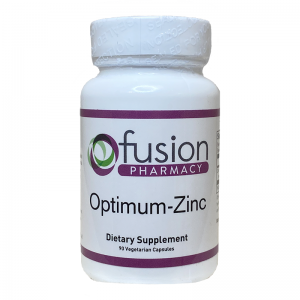
Optimum-Zinc
$14.98 -

Viracid
Login to Order -

Vitamin D3 5,000 IU
$24.98 -

MegaSporeBiotic™ 60ct
$63.00 -

Crave Control
$59.98 -

Digestive Enzymes with Betaine 90ct
$35.98 -

ArtemiC Rescue
$110.00 -

ZymeBoost+ 180ct
$70.00 -

Vitamin C 500mg with Rose Hips
$16.98 -

Melatonin 3mg with Vitamin B-6
$10.98

